Moving to Charleston, South Carolina? Read This Before You Choose a Neighborhood
Every year I talk to families relocating to Charleston who think the decision is simple:
“We just need a nice house and good schools.”
But Charleston is not a typical metro area.
It is a geography-driven housing market, and your commute — not your home — will determine whether you love living here or quietly regret the move six months later.
The single biggest mistake relocation buyers make is choosing a neighborhood first and figuring out work second.
In Charleston, your job location should be the first thing you solve.
Charleston Is a Peninsula City (and That Changes Everything)
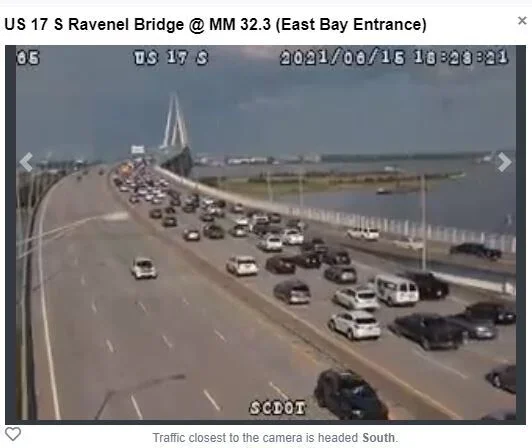
Charleston doesn’t sprawl outward evenly like Atlanta, Dallas, or Charlotte. It’s built around rivers, marshes, bridges, and a historic peninsula. That means traffic compresses into a handful of choke points every day.
Between roughly 4:00 PM and 7:00 PM, some commutes that look easy on a map become completely different in reality.
A 17-mile drive can be 25 minutes…
or 1 hour 20 minutes depending on direction.
And this is exactly where relocation decisions go wrong.
Where You Work Should Decide Where You Live

If You Work at Boeing
4
If your job is at Boeing in North Charleston, you have flexibility.
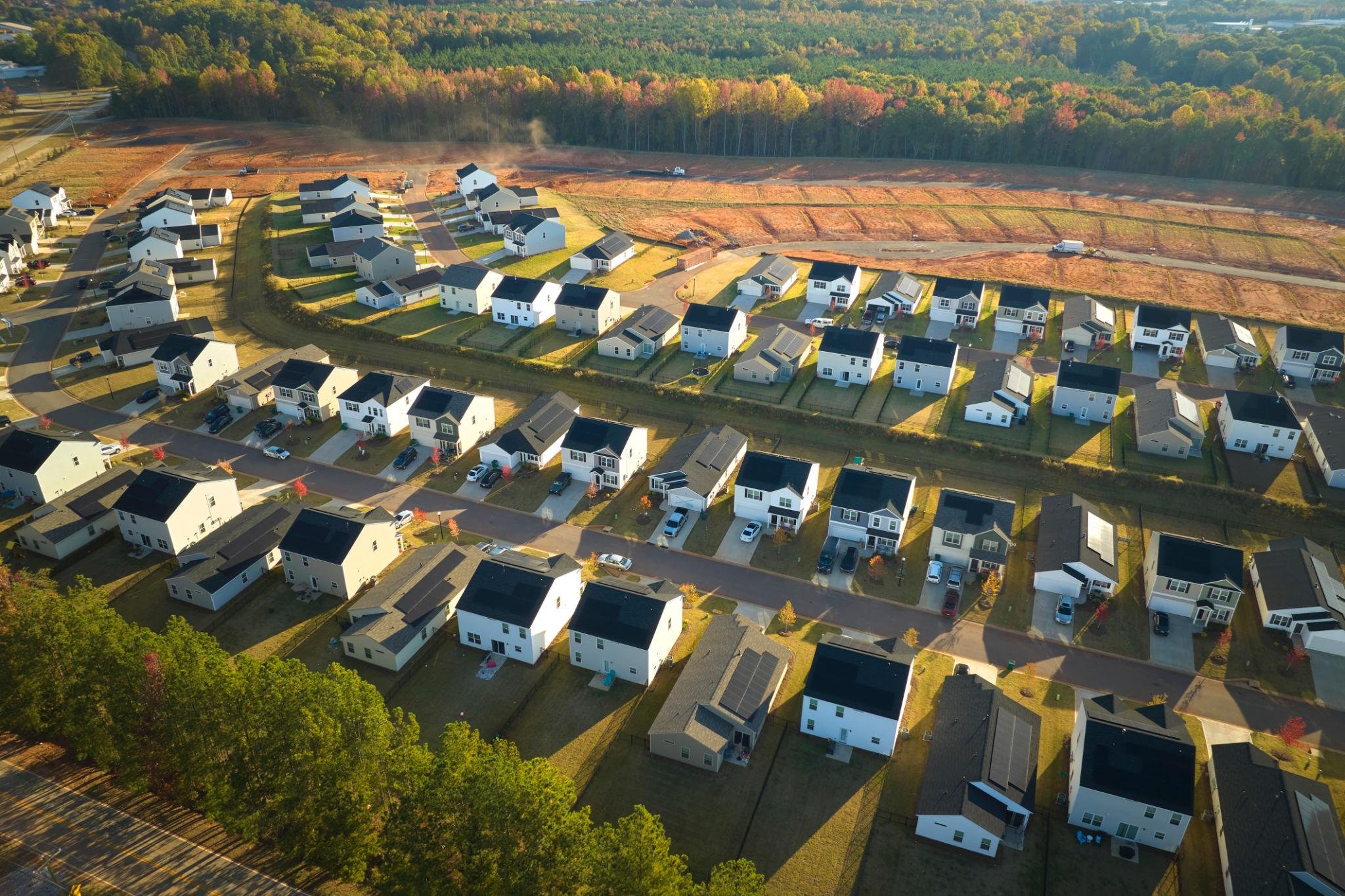
Summerville and Cane Bay are actually very livable commutes. Many Boeing employees choose them because:
• larger homes
• newer construction
• lower price per square foot
• family-oriented communities
Your drive is generally predictable and manageable.
If You Work Downtown (MUSC, Roper Hospital, Law Firms, Tech)
4
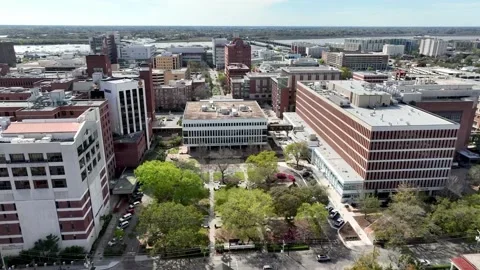
This is where relocation buyers get burned.
Living in Summerville or Cane Bay while working downtown sounds reasonable on Zillow.
In real life, your afternoon drive home can exceed an hour — sometimes well over.
Downtown Charleston is separated by bridges and rivers. When rush hour hits, every suburban commuter funnels toward a limited number of routes.
If you work at MUSC, Roper, or anywhere on the peninsula, distance on a map becomes irrelevant. Drive direction matters far more than miles.
The Two-Career Household Problem
This is now the most common relocation scenario:
• One spouse works downtown
• The other works near Volvo, Summerville, or North Charleston
Families often assume Cane Bay is the logical middle.
It usually isn’t.
If one spouse is commuting to the peninsula daily, that person is absorbing nearly all the traffic burden. Over time, that becomes a quality-of-life problem, not just a transportation issue.
In many cases, central locations — North Charleston or Goose Creek — actually produce a better balance of:
• price
• commute time
• daily stress
What About Mount Pleasant and Schools?
4
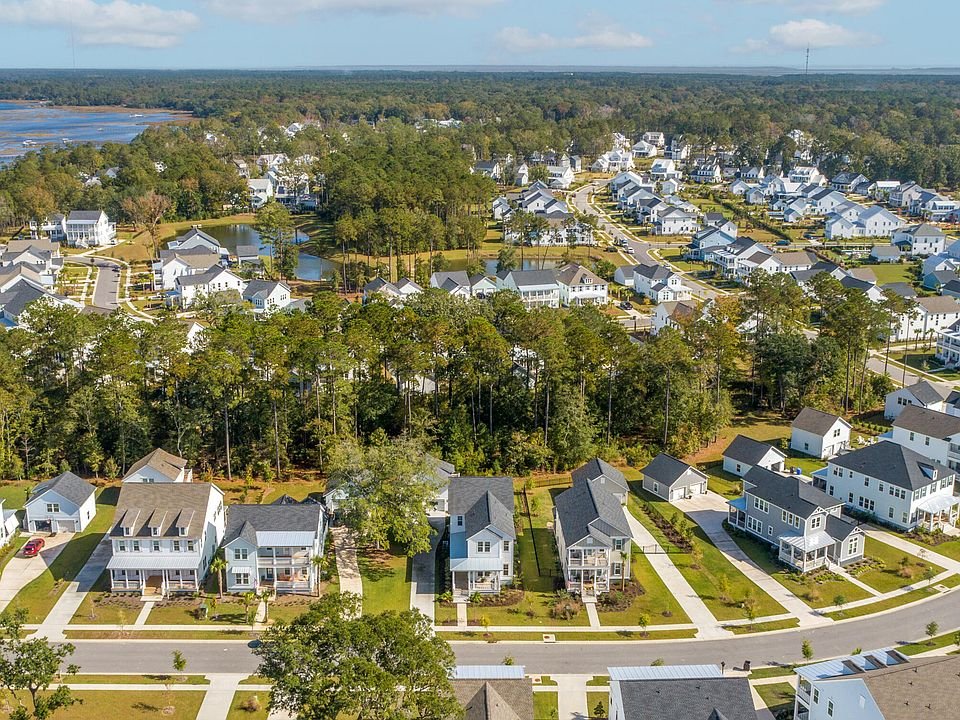
Mount Pleasant is often chosen for schools, and for many families it makes sense.
But buyers underestimate commuting realities.
Typical drives:
• North Mount Pleasant → Downtown morning: 30–40 minutes
• Central Mount Pleasant → Downtown: under 30 minutes
• Mount Pleasant → Volvo or Summerville: long and unpredictable
Another surprise:
Homes near the bridge in Mount Pleasant can cost 50% more than similar homes in northern Mount Pleasant — largely due to commute convenience.
So you are often deciding:
pay significantly more… or pay with your time.
The “Central Location” Strategy (Underrated Choice)
4
Many relocation families eventually discover a compromise approach:
Live centrally.
Areas like:
• Park Circle (North Charleston)
• West Ashley near Sam Rittenberg Blvd
offer:
• access to downtown
• access to Summerville and Volvo
• shorter average commutes in all directions
Some families pair this with private schools. While home prices are still healthy, they are typically lower than Mount Pleasant — and commute stress is significantly reduced.
Park Circle in particular has become a strong long-term investment area because it sits near employment centers, infrastructure, and redevelopment.
High-End Homes Outside Mount Pleasant?
Mount Pleasant is not the only option for nicer housing.
Many relocation buyers overlook established neighborhoods in Goose Creek, including sections of Crowfield Plantation (such as the Hamlets and Lakeview Terrace), where larger homes and mature lots can be found at dramatically lower price points than East Cooper — while remaining closer to Volvo, Boeing, and Summerville employment.
The Real Decision Families Are Struggling With
What families relocating to Charleston are actually trying to solve is not just:
• schools
• home size
• price
It’s a three-way balance:
school quality + commute fairness between spouses + community lifestyle
And no single suburb solves all three perfectly.
The correct decision depends on:
• where each person works
• which commute matters most
• how long you plan to stay
• whether private school is acceptable
• tolerance for daily traffic
The Bottom Line
Before choosing a house in Charleston, solve this first:
Who is driving where at 7:45 AM and at 5:30 PM?
Because in this market, your commute determines your happiness more than your floor plan.
Many families who fall in love with a home online end up relocating again within two years — not because they disliked the house, but because they underestimated Charleston’s transportation geography.
The right move to Charleston is not just picking a home.
It’s picking a lifestyle that you can sustain every weekday.