by Bryan Crabtree
Highway 41 in Mount Pleasant has quietly become one of the most important—and most strained—corridors in the Charleston region. Connecting some of the area’s most desirable neighborhoods to Highway 17, schools, shopping, and employment centers, this stretch of road is now at the center of a growing debate: how to balance explosive growth with infrastructure that hasn’t kept pace.
For anyone living in or considering communities like Brickyard Plantation, Rivertowne, Dunes West, Park West, and the emerging Wando Village area, Highway 41 isn’t just a road—it’s a daily reality.
A Corridor Defined by Demand
The neighborhoods along Highway 41 represent some of Mount Pleasant’s strongest residential appeal:
Brickyard Plantation offers established homes, mature landscaping, and a deep sense of community.
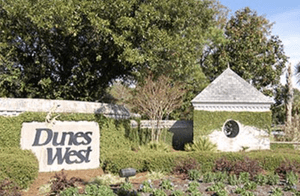
Dunes West blends golf, gated living, and waterfront access into a luxury-driven environment.
Rivertowne and Rivertowne Country Club continue to attract buyers seeking newer construction with proximity to the Wando River.
Park West, one of the largest master-planned communities in the area, brings density, schools, retail, and amenities—all feeding directly into Highway 41.
Wando Village, still developing, represents the next phase of growth pushing further north and east.
The problem? All of that growth converges onto a roadway that was never designed to handle this volume.
The Traffic Problem: No Longer Debatable
At peak hours, Highway 41 is congested in a way that affects not just convenience, but quality of life. Commutes that should take minutes stretch far longer. Access to Highway 17 becomes a bottleneck. And as more rooftops are added, the strain intensifies.
This isn’t a future problem—it’s already here.
The County Plan—and the Controversy
Recent discussion around proposed improvements to Highway 41 has ignited strong reactions from the community. A local resident, Daniel, summarized concerns circulating on social media:
The plan includes constructing additional connector roads through wooded areas, alongside the controversial Laurel Hill Parkway. Traffic heading toward Highway 17 would be restricted to right turns only, forcing drivers who want to go left or straight to reroute through new roadways and existing neighborhood streets like Winnowing Way.
The proposal also includes widening certain interior roads, potentially impacting greenspace and parking areas in established communities.
Residents have voiced frustration. Some call it over-engineered. Others argue it’s destructive to the environment. Many believe simply widening Highway 41 would be more effective.
The sentiment is clear: people are skeptical.
The Hard Truth: It May Not Be Perfect—But It May Be Necessary
Here’s where perspective matters.
The idea of “going back to the drawing board” sounds appealing. In theory, a cleaner, more direct solution—like fully widening Highway 41—feels logical. But in practice, that approach comes with its own challenges: right-of-way acquisition, environmental hurdles, cost escalation, and most importantly—time.
And time is the one thing this corridor doesn’t have.
Highway 41 is already operating behind demand. Waiting years for a perfect plan could mean years of worsening congestion, declining livability, and increasing frustration for residents.
A less-than-perfect solution implemented now may ultimately serve the community better than a perfect solution delayed indefinitely.
Real Estate Impact: What Buyers and Sellers Need to Know
Infrastructure and real estate are directly connected. The Highway 41 corridor is a perfect example.
For buyers:
Traffic patterns matter. Commute times, access points, and future road plans should be part of any purchase decision—especially in neighborhoods like Dunes West, Rivertowne, and Park West.
For sellers:
Positioning is everything. Homes in these communities still command strong demand due to lifestyle, schools, and amenities. But buyers are increasingly aware of traffic realities, which means pricing and marketing must account for it.
For investors and long-term homeowners:
Infrastructure improvements—imperfect or not—tend to support long-term value. Accessibility drives desirability, and any relief to congestion can stabilize or enhance property values over time.
The Bigger Picture
Highway 41 is a case study in what happens when growth outpaces infrastructure. It reflects a broader trend across the Charleston region: people are coming faster than roads can be built.
The debate isn’t really about whether change is needed. It’s about how—and how fast.
Final Thoughts
There’s no question that the current plan for Highway 41 has flaws. Community concerns are valid. Environmental impacts matter. Neighborhood integrity matters.
But so does reality.
This corridor is already under pressure, and doing nothing—or starting over—may ultimately create more damage than moving forward with an imperfect plan.
For residents, buyers, and sellers along Highway 41, the key isn’t just understanding what’s happening today—it’s recognizing where this area is going. Because one thing is certain:
Growth along Highway 41 isn’t slowing down.