by Bryan Crabtree (photo of Point Hope with permission)
After publishing my article,
👉 The Moral Failure of Clements Ferry Area Development
…and following a similar opinion piece I wrote for the Daniel Island News…
A lot has happened.
Including, frankly, a very uncomfortable meeting.
That meeting—and the conversations that followed—made one thing clear:
👉 There is massive confusion, frustration, and disconnect between developers, government leaders, and the public.
And nowhere is that more evident than in the debate over Point Hope and the broader Clements Ferry corridor.
What Point Hope Gets Right
According to developer materials and publicly available fact sheets, Point Hope is not some reckless, unplanned expansion. In fact, on paper, it checks many of the boxes you would want in a modern master-planned community.
Nearly 60% of the land preserved as green space
96% of wetlands protected under federal permitting
A 650-acre conservation parcel that cannot be developed—or even accessed—providing a true sanctuary for wildlife and nature in the middle of rapid growth
Over 20 years of environmental review and planning
Mixed-use design with residential, retail, medical, and schools
Significant projected economic impact, including 1,200+ jobs annually
There are also meaningful contributions already visible along the corridor:
The arrival of MUSC medical facilities
A growing retail presence anchored by grocery and service providers
Communities like Del Webb, which bring stability and long-term residents
These are not negatives. These are real improvements.
And to be clear—Charleston cannot simply stop growing. It never has, and it never will.
In my view, we as members of the public should hold them to these commitments. They are good ones.
But Here’s the Real Problem No One Is Solving
The issue is not Point Hope by itself.
The issue is the lack of coordinated, corridor-wide planning.
Right now, development is happening in pieces—approved, justified, and executed individually—but without a truly aggressive infrastructure plan to support it.
The reality on the ground:
The Clements Ferry Road / I-526 on-ramp should have been redesigned years ago
Road widening is behind the pace of growth, not ahead of it
Traffic is already strained—and we are nowhere near full buildout
The corridor is becoming overloaded with apartments and rental units
And that last point matters.
Charleston doesn’t need an overconcentration of transient rental housing in what should be a long-term, stable residential corridor.
👉 Growth isn’t the problem.
👉 Unbalanced growth is.
What Residents Are Actually Saying
The public response—especially on platforms like the Daniel Island News Facebook page—shows a community that is deeply divided, but increasingly uneasy.
Some of the comments highlight real concerns:
“And in the process allowing unstoppable growth ruins the reason many want to live here. Ironic huh?” — Gregory J. Carbone
“Please don’t destroy any of it!” — Dee Clarke Smith
“The marshlands are nature’s way of protecting us from flooding — there will be repercussions.” — Holly Ledue Rondeau
“We continue to pursue our own home-grown disaster as if we think we are invincible — until we are not.” — Michelle Stress-And Oliver
At the same time, there are voices pushing back:
“Everyone wants development to stop right after they buy their own dream home.” — Terrance Brighton
“I bet it would be a very small number [of impacted wetlands].” — James DuPre
This divide is important.
Because it highlights something critical:
👉 This is not a fight between “growth” and “no growth.”
👉 This is a fight about how growth is managed.
Developer Response & Clarification
Following my original article and subsequent meeting with Point Hope representatives, I reached out directly to Erin Dudley, Director of Marketing for Point Hope Partners, to clarify several points—including claims circulating publicly about dock development.
She responded with an important clarification:
“No dock permits have been applied for at this time. It is premature to estimate dock counts should waterfront property become available in the future. The dock application process would be subject to full review and approval by the relevant state and coastal permitting agencies.”
That’s a meaningful distinction—and one that highlights part of the broader issue:
👉 There is a gap between what is permitted, what is possible, and what is actually planned.
That gap is where confusion—and public concern—tends to grow.
Dudley also emphasized that the development is backed by Guggenheim corporate and family interests, reinforcing what I noted earlier:
👉 This is long-term, patient capital, not a short-term project.
She further explained:
“Rooftops really drive the commercial and retail growth that everyone is looking for… by providing schools, recreation, and services right within the community, we can help reduce those extra trips off the peninsula.”
And that point is fair.
Because one of the goals of a development like Point Hope is to create a more self-contained community, which could reduce outward traffic over time.
At the Same Time… There Is Progress Being Made
To be fair, local governments are not ignoring the issue entirely.
Berkeley County Supervisor Johnny Cribb said:
“Nobody’s doing more road work out in this region… we’ve protected over 2,000 acres of land out here in the last couple of years.”
Charleston Mayor William Cogswell added:
“There’s a lot of ground to make up… because the growth has been so explosive.”
Efforts underway include:
Land acquisition for fire and police stations
Legislative discussions about requiring infrastructure before development
Potential reforms to speed up DOT permitting
Where Point Hope Fits Into All of This
After reviewing the plans directly:
👉 From a real estate perspective, it’s impressive.
👉 It’s structured.
👉 It’s far more thoughtful than most people realize.
And importantly:
👉 I don’t fault the developers—not Point Hope, and not the others along this corridor.
They are operating within the framework they’ve been given.
The Real Issue: It’s Bigger Than Point Hope
This is not a Point Hope problem.
This is a Clements Ferry corridor problem.
And let’s be clear:
👉 Point Hope will likely become the single biggest driver of traffic in this corridor
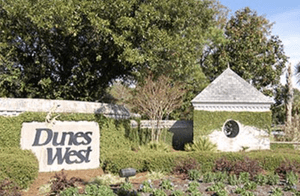
👉 It will also likely become the single biggest driver of lifestyle in Charleston, on a scale unmatched by Park West, Dunes West, Carolina Park, Nexton, or Cane Bay
👉 It’s approved. We are not stopping it.
But we can:
Hold Point Hope accountable to its commitments
Guide the development of remaining raw land
Prevent the corridor from becoming the wild west of uncoordinated growth
Push aggressively for infrastructure improvements
Because right now:
Growth is accelerating
Population is rising
Infrastructure is lagging
The I-526 interchange should already be fixed.
Road widening should already be further along.
Instead, we are reacting.
The Missing Strategy
What Charleston needs:
A corridor-wide infrastructure plan
Better balance on multifamily density
Commercial development that serves residents in real time
Real coordination between city, county, and state agencies
👉 And political pressure to fix the I-526 interchange now—not years from now
Final Answer: Good or Bad?
Point Hope itself?
👉 Potentially very good for Charleston
The broader execution of growth along Clements Ferry?
👉 That’s where the real concern is—and it’s legitimate
Bottom Line
This isn’t about stopping development.
It’s about getting ahead of it instead of chasing it.
Because if we don’t…
We risk turning a well-planned community into part of a corridor that simply wasn’t ready for what was coming.
Point Hope representatives were given the opportunity to review and clarify specific factual points referenced in this article.
About the Author:
Bryan Crabtree is a Charleston-area real estate expert with over 27 years of experience, more than 5,500 homes sold, and over $1 billion in career sales. As a broker with Indigo Oak | Christie’s International Real Estate, Bryan specializes in luxury homes, waterfront properties, and emerging growth areas like Clements Ferry and Cainhoy. Known for his direct, data-driven approach, he helps clients understand not just where the market is—but where it’s going.